What revolutions do alloy powders bring to medical?
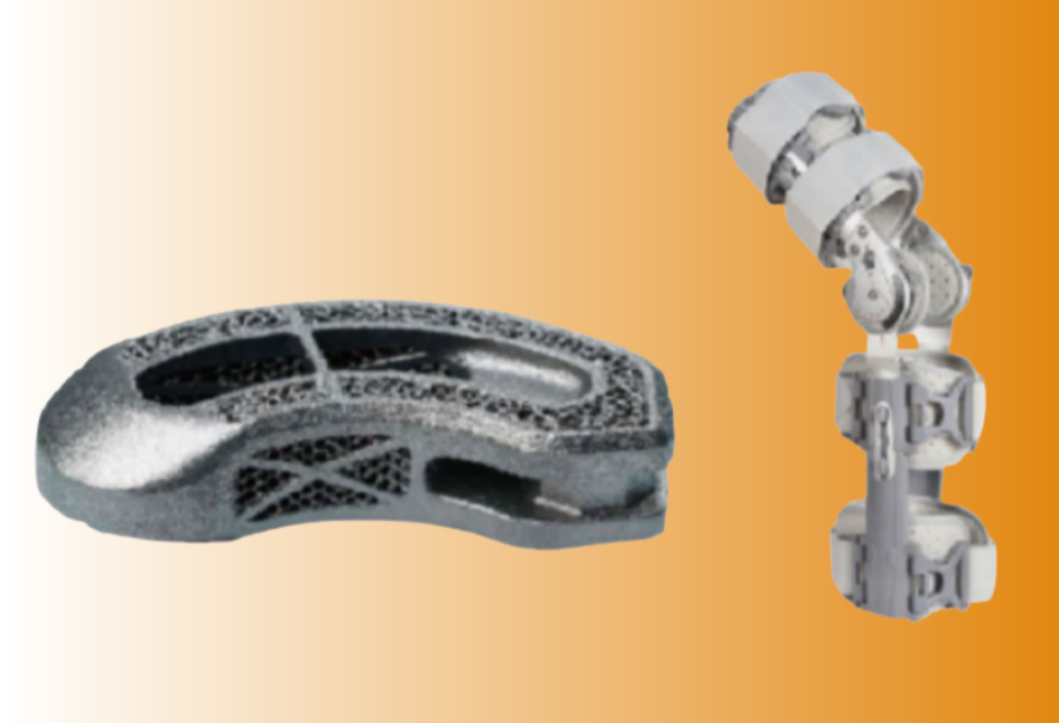
Alloy powders have sparked a medical revolution, empowering the development of innovative devices and treatments that were previously unimaginable. With the advent of additive manufacturing (AM), these powders have become the backbone of cutting-edge medical solutions, offering unprecedented precision, customization, and patient outcomes.
Frontier material’s advanced alloy powders offer a transformative combination of properties that significantly elevate their performance in critical medical applications. Engineered with exceptional biocompatibility, these powders seamlessly integrate with human tissues, minimizing adverse immune responses and ensuring the long-term stability and safety of implants. Beyond biological harmonmaterialy, they deliver outstanding mechanical strength and superior corrosion resistance, enabling implants to reliably withstand the demanding physiological stresses and corrosive bodily environments over extended periods. Their precisely controlled particle morphology and composition grant excellent processability, particularly for additive manufacturing techniques, facilitating the creation of complex, patient-specific geometries with high accuracy and dimensional fidelity.