Inconel 718 Alloy Powder: The “All-Round Iron Man” of 3D Printing
In the world of metal 3D printing (additive manufacturing), if there were to be a true “all-around star,” it would undoubtedly be Inconel 718 alloy powder (Chinese equivalent GH4169). Think of it as the “Iron Man suit material” of the metal world—capable of maintaining toughness even in extreme cold environments (-253°C) and withstanding immense pressure at high temperatures up to 700°C without deformation. This remarkable nickel-based superalloy powder is now being shaped through 3D printing technology into complex, critical components for aerospace, automotive, and medical industries.
Why Does 3D Printing Favor Inconel 718?
Traditional casting or forging processes often struggle with Inconel 718 due to its extreme hardness and viscosity, making machining time-consuming, labor-intensive, and difficult for creating complex internal structures. In contrast, 3D printing uses lasers or electron beams to melt powder layer by layer, effectively bypassing these manufacturing challenges. Inconel 718 alloy powder offers excellent weldability and fatigue resistance, enabling printed parts that are not only strong and durable but also capable of achieving intricate designs—such as complex curved surfaces and internal voids—that traditional methods cannot produce. Whether it’s rocket engine casings, aircraft turbine blades, or turbochargers for high-performance vehicles, Inconel 718 excels in every application.
The “Appearance” and “Temperament” of High-Quality Powder
Not just any ground Inconel 718 can be used for 3D printing. To meet the demands of additive manufacturing equipment, this powder must meet extremely strict physical specifications during production:
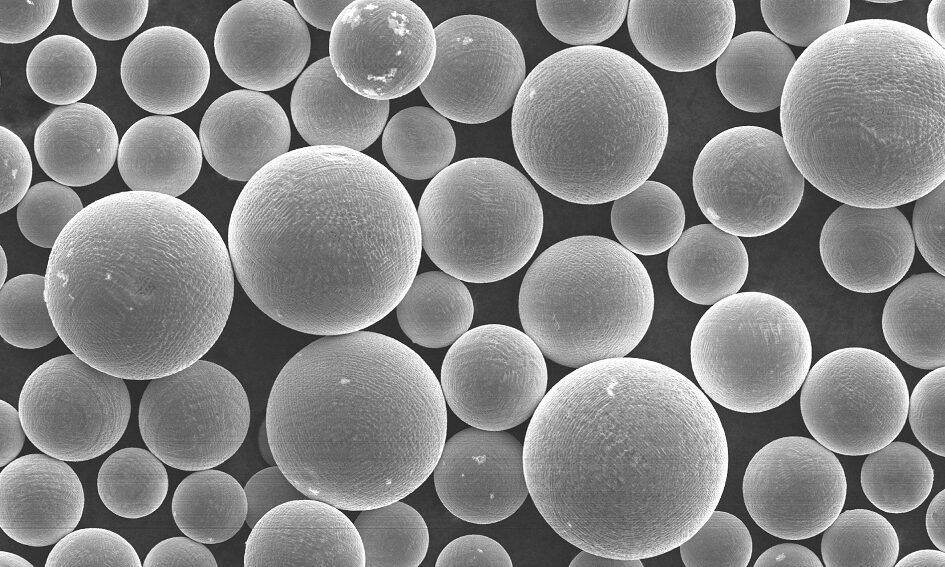
Perfect Sphericity: Industrially, molten alloy droplets are atomized using high-pressure inert gases (such as argon), rapidly cooling them into nearly perfect spheres. This high sphericity (up to 98%) ensures excellent flowability, allowing the powder to spread evenly and densely across the build platform.
Purity Inside and Out: Impurities are the enemy of 3D printing. High-quality Inconel 718 powder must strictly control gas content such as oxygen and nitrogen (e.g., ultra-low oxygen levels ≤150 ppm) to prevent brittleness or porosity in the final part.
Precise Particle Size: Different 3D printing systems require powders of varying fineness. For example, mainstream selective laser melting (SLM) typically uses fine powders between 15–45 μm, while directed energy deposition (DED) or laser cladding is better suited to coarser powders ranging from 45–105 μm.
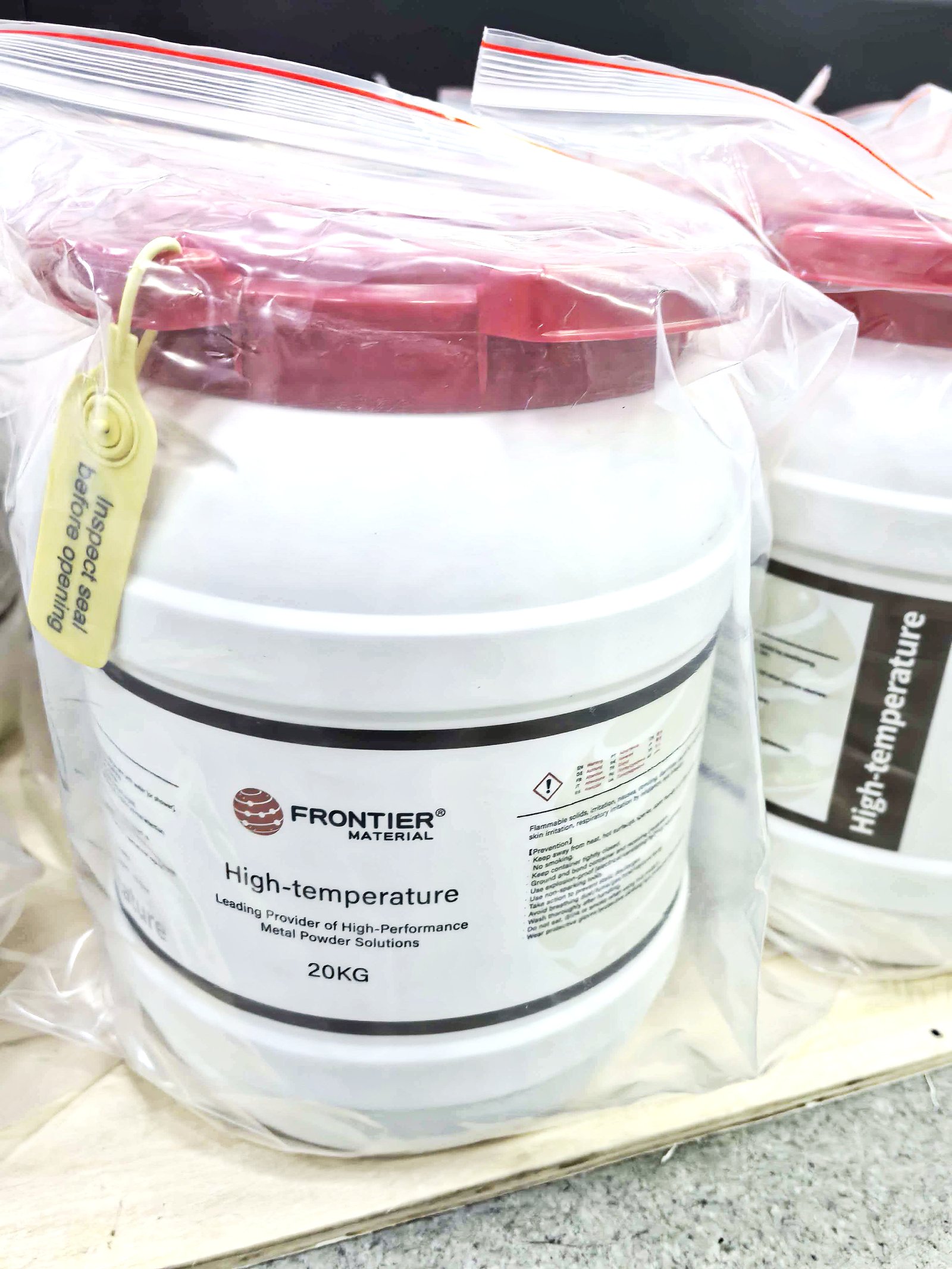
The “Golden Pair” of Printing and Post-Processing
Inconel 718 powder exhibits an interesting characteristic during the 3D printing process: due to rapid cooling, certain unique microstructures (such as Laves phase) may precipitate within the part, slightly affecting its toughness. However, this is not insurmountable! By combining with hot isostatic pressing (HIP) or specific heat treatment processes, these minor defects can be effectively eliminated, significantly enhancing the density and overall mechanical properties of the printed parts—sometimes even surpassing those of traditional forged components.
In summary, Inconel 718 alloy powder, with its exceptional performance at both high and low temperatures, outstanding corrosion resistance, and seamless compatibility with 3D printing technologies, has become an indispensable “super ink” in advanced manufacturing. It not only makes the production of complex components accessible but also propels humanity’s exploration of the skies and the depths of the ocean.). Think of it as the “Iron Man suit material” of the metal world—capable of maintaining toughness even in extreme cold environments (-253°C) and withstanding immense pressure at high temperatures up to 700°C without deformation. This remarkable nickel-based superalloy powder is now being shaped through 3D printing technology into complex, critical components for aerospace, automotive, and medical industries.