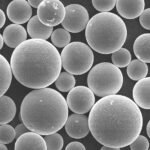
Laser Cladding on Copper Alloys: A Surface Reinforcement Technique
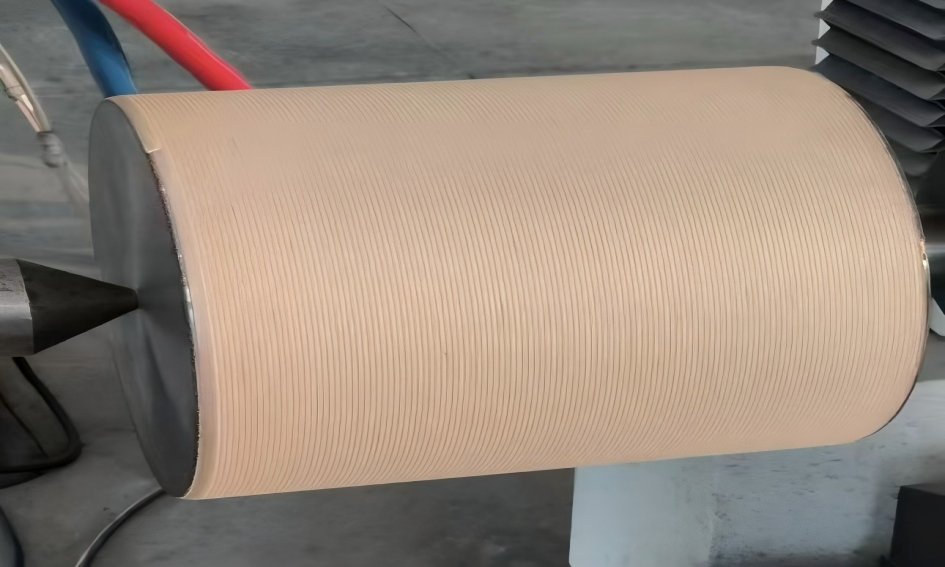
Copper alloys are widely used in various industries due to their excellent electrical and thermal conductivity, corrosion resistance, and mechanical properties. However, in extreme environments, such as high temperature, high wear, or corrosive conditions, the surface performance of copper alloys may not meet the requirements. To overcome this limitation, surface reinforcement technologies have been developed, among which laser cladding has emerged as a promising method.
Laser cladding is an advanced surface modification technique that uses a high-power laser beam to melt a coating material and a thin layer of the substrate simultaneously, forming a metallurgical bond between them. This process offers several advantages, including minimal dilution, low heat input, and the ability to process a wide range of materials.
When applied to copper alloys, laser cladding presents unique challenges. Copper alloys have high reflectivity to laser beams, high thermal conductivity, and a tendency to oxidize easily. These characteristics make it difficult to achieve stable melting and good bonding during the cladding process. Therefore, precise control of process parameters, such as laser power, scanning speed, and powder feeding rate, is crucial.
Researchers have explored various coating materials for copper alloys, including nickel-based, cobalt-based, and ceramic composites. The choice of coating depends on the desired properties, such as wear resistance, corrosion resistance, or high-temperature stability. For example, adding ceramic particles like SiC or Al₂O₃ into a metal matrix can significantly improve the hardness and wear resistance of the coating.
Recent studies have shown that optimized laser cladding can produce dense, crack-free coatings with excellent bonding strength and improved surface properties. The microstructure and composition of the coating play a key role in determining its performance. By tailoring the coating design and process parameters, it is possible to enhance the service life of copper alloy components in harsh environments.
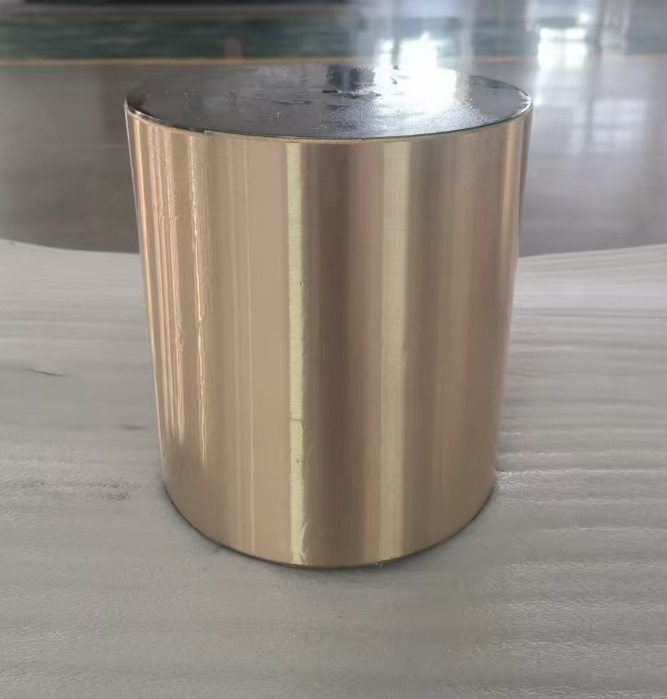
Despite the progress, challenges remain, such as controlling porosity, cracking, and residual stress. Future research may focus on developing new coating materials, improving process stability, and using simulation tools to predict and optimize the cladding process.
In conclusion, laser cladding is a powerful technique for enhancing the surface performance of copper alloys. With continued advancements, it holds great potential for applications in aerospace, energy, and marine industries, where reliability and durability are critical.